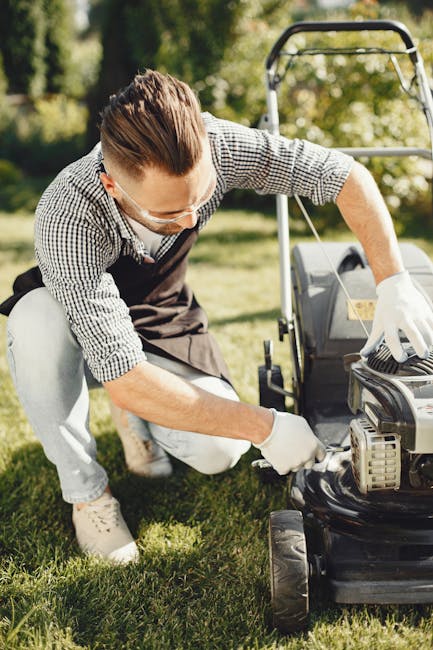
DIY versus professional gardeners when to hire help in the UK
If you enjoy pottering about in the garden, you are not alone. A lot of UK homeowners start with the best intentions: a weekend free, a pair of gloves, and a vague plan to tame the lawn, the borders, and that one hedge that seems to grow faster than the rest. But there comes a point where DIY stops being satisfying and starts being slow, expensive, or frankly a bit risky. That is where the question of DIY versus professional gardeners when to hire help in the UK really matters.
This guide will help you judge what is worth doing yourself, what is better left to a professional, and how to make a sensible choice based on time, budget, skill, safety, and the actual condition of your garden. No fluff. Just clear, practical help for real gardens and real lives.
Table of Contents
- Why DIY versus professional gardeners when to hire help in the UK Matters
- How DIY versus professional gardeners when to hire help in the UK Works
- Key Benefits and Practical Advantages
- Who This Is For and When It Makes Sense
- Step-by-Step Guidance
- Expert Tips for Better Results
- Common Mistakes to Avoid
- Tools, Resources and Recommendations
- Law, Compliance, Standards, or Best Practice
- Options, Methods, or Comparison Table
- Case Study or Real-World Example
- Practical Checklist
- Conclusion
- Frequently Asked Questions
Why DIY versus professional gardeners when to hire help in the UK Matters
Garden maintenance looks simple from the kitchen window. Then you step outside and notice the scale of it. The lawn needs attention, the border is full of stubborn roots, the hedge has become a small architectural problem, and the patio has that dull, tired look that only gets worse after a wet spell. In the UK, gardens also have to cope with changeable weather, heavy clay in many regions, compact city plots, older trees, and often not enough time to keep up.
That is why the choice between doing it yourself and bringing in a professional gardener matters so much. It is not just about saving money. It is about choosing the right level of help for the task in front of you.
For some jobs, DIY is ideal. You stay in control, you save on labour, and you can work at your own pace. For others, hiring help can prevent damage, reduce stress, and actually work out better value over time. Truth be told, the cheapest option on paper is not always the cheapest in real life. A badly cut hedge or a missed drainage issue can come back and bite later.
There is also the simple issue of time. Many people in the UK have gardens that only get proper attention at weekends or in short evening bursts during lighter months. And let's face it, a Saturday that disappears into weeding and green waste bags is not always the dream. Professional support becomes especially sensible when the task is bigger than the time you can realistically spare.
One more thing: some gardens are genuinely awkward. Narrow access, steep slopes, overgrown trees, slippery surfaces after rain, or heavy materials can make a job much harder than it looks. That is where experience starts to matter. A good gardener does not just work faster. They also spot problems early and avoid the sort of mistakes that are easy to make when you only do these jobs once in a blue moon.
How DIY versus professional gardeners when to hire help in the UK Works
The basic decision is simple enough: assess the job, decide whether you have the time, tools, and know-how to handle it safely, then choose DIY or a professional accordingly. But in practice, there are a few moving parts.
DIY gardening usually works best for routine, low-risk tasks. Think mowing, deadheading, light weeding, pruning soft growth, feeding plants, edging a border, and simple planting. If you already own the tools and the garden is manageable, doing it yourself can be satisfying and flexible.
Professional gardening becomes more attractive when the work is skilled, physically demanding, or time-sensitive. A professional gardener may help with larger one-off clearances, regular maintenance, hedge cutting, shaping shrubs, lawn recovery, border redesign, seasonal tidy-ups, or digging and moving substantial amounts of soil and green waste. Some also bring better plant knowledge, which helps if you want the garden to look good beyond the next fortnight.
The real trick is to separate tasks into three buckets:
- Safe and manageable DIY jobs - tasks you can do with basic tools and a little patience.
- Borderline jobs - tasks you might do yourself if you have experience, but should consider outsourcing if access, height, or scale increases risk.
- Best left to a pro - jobs where safety, efficiency, or quality are likely to suffer if you tackle them alone.
That way, you are not making a vague emotional decision like "I should probably get someone in" or "I'll just do it all myself somehow." You are making a practical one.
If you are comparing providers, it can help to look at clear pricing information first. A useful starting point is the pricing and quotes guidance, which can help you think about value rather than just headline numbers. You may also want to review who is behind the service and what standards they work to before making a decision.
Key Benefits and Practical Advantages
Both DIY and professional garden help have real benefits. The best choice depends on the job, but it helps to understand what each side offers.
Benefits of DIY gardening
- Lower direct cost - you avoid labour charges and can spread purchases over time.
- Flexibility - you work when it suits you, even if that means a quick half-hour after work.
- Personal control - you decide the pace, the style, and how tidy is tidy enough.
- Learning over time - each season teaches you something new about your garden.
Benefits of hiring a professional gardener
- Speed and efficiency - jobs that drag on for you may be routine for them.
- Better outcomes on complex tasks - especially pruning, shaping, and larger clearances.
- Reduced physical strain - a big one for older homeowners or anyone with back, shoulder, or mobility issues.
- Problem spotting - professionals often notice drainage issues, plant stress, poor soil, or unsafe growth early.
- More consistent maintenance - regular visits can keep a garden from getting out of hand in the first place.
There is also a mental benefit that people sometimes overlook. A well-kept garden has a way of calming a space. It is easier to enjoy breakfast outside, easier to let children play safely, and easier to feel proud of your home. If hiring a gardener gets you there quicker, that matters.
And if your focus is not only appearance but also waste handling or greener habits, it is worth checking a provider's recycling and sustainability approach. A decent gardener should be able to explain what happens to cuttings, soil, and other green waste rather than shrugging and dumping it somewhere unspecified. Small detail, but an important one.
Who This Is For and When It Makes Sense
This topic is relevant for a lot of people, not just keen gardeners. In the UK, it often applies to:
- busy homeowners with limited time;
- landlords keeping rental gardens presentable;
- older people who still enjoy gardening but want help with the heavy stuff;
- families whose garden is functional but overgrown;
- new homeowners who inherited a garden that needs rescue, not just tidying;
- anyone preparing a property for sale, letting, or a special event;
- people who are happy to do light work but need support with awkward, repetitive, or risky jobs.
It makes sense to hire help when the garden is no longer a hobby project and has become a backlog. You know the feeling: each time you glance outside, there is one more thing competing for attention. The hedge. The lawn. The weeds in the paving cracks. Then suddenly it is mid-August and the whole thing looks a bit tired.
Professional help can also be the right answer if you want a one-off reset before taking over the maintenance yourself. That is a smart middle ground. Let an expert get the place under control, then keep it ticking over with simple DIY care.
If you prefer to work with a company that takes service standards seriously, useful pages like health and safety guidance and insurance and safety information can help you check what kind of professionalism you are dealing with before anyone steps into the garden.
Step-by-Step Guidance
If you are stuck between doing it yourself and hiring a gardener, use a simple decision process. It does not need to be complicated. In fact, the more tired you are, the more useful a straightforward checklist becomes.
- List the jobs. Write down everything that needs doing. Include the obvious stuff and the annoying little tasks that keep getting ignored.
- Separate routine work from specialist work. Mowing is usually routine. Major hedge reduction, diseased shrubs, tree work, or awkward access may not be.
- Check the scale. A 20-minute job is different from a full-day clear-up. Be honest. We all underestimate this now and then.
- Review your tools and ability. If you do not have the right equipment, the work may take longer and be less effective.
- Think about safety. Slopes, ladders, power tools, sharp edging tools, and heavy lifting all change the equation.
- Estimate the hidden cost of DIY. Your time, tool purchases, waste removal, and possible mistakes all count.
- Decide what to outsource. You do not have to choose all DIY or all professional. A mixed approach is often best.
- Ask for a clear quote if needed. Good providers should explain what is included, what is not, and when extra work might change the price.
A practical example: if your lawn is manageable but the hedge is tall, get help for the hedge and keep mowing yourself. If the garden is fully overgrown after a long period of neglect, hire someone to reset it, then take back the light maintenance. That model works surprisingly well. It saves time and avoids the "I'll do it all this weekend" trap. Spoiler: that weekend usually goes sideways.
Expert Tips for Better Results
There are a few habits that make a big difference, whether you stay DIY or hire help.
1. Start with the highest-impact job
If you only have time or budget for one thing, do the task that changes the whole feel of the garden. Often that is hedge trimming, lawn recovery, or clearing the most visible clutter. Once the space looks more manageable, everything else becomes easier to judge.
2. Don't buy every tool at once
It is tempting to assume the answer to every garden problem is a shiny new tool. Sometimes it is. Often it is not. For occasional jobs, hiring help can be cheaper than buying specialist kit you will use twice a year.
3. Match the job to the season
Spring and early summer can be busy growing periods, so routine maintenance matters more. Autumn is often about tidying, cutting back, and clearing leaves before they become slippery mush underfoot. After a run of wet weather, the garden can change fast and become less forgiving. You notice it the moment you step outside.
4. Be realistic about your own pace
Some people are methodical and happy to spend a whole afternoon in the borders. Others lose steam after an hour. Neither is wrong. The right choice is the one that actually gets the job finished.
5. Ask what happens to waste
Garden clearances can produce more waste than expected: branches, clippings, weeds, broken pots, old compost bags, all of it. A professional should tell you how it will be handled. If you care about responsible disposal, that conversation matters.
6. Keep communication simple
If you hire help, be clear about priorities. Say what must be done, what can wait, and what you do not want touched. A quick walkthrough at the start can save hassle later.
Small aside: the biggest gardening mistake I see is not poor effort. It is optimism. Lovely thing, optimism. Terrible project plan.
Common Mistakes to Avoid
A lot of gardening decisions go wrong for the same handful of reasons. Knowing them in advance helps.
- Underestimating the scale - a tidy-up can become a full clearance very quickly.
- Ignoring access issues - narrow side gates, steep steps, and awkward corners make work slower and harder.
- Trying to do risky jobs alone - height, power tools, and heavy lifting deserve respect.
- Buying tools for one-off jobs - sometimes outsourcing is more sensible than building a shed full of equipment.
- Choosing only on price - the cheapest quote is not always the best value if quality, reliability, or cleanup are weak.
- Not checking what is included - some jobs include waste removal, some do not. Ask early.
- Leaving a neglected garden too long - weeds seed, shrubs get woody, and small issues become bigger, more stubborn problems.
A quieter mistake, but a common one, is assuming every job can be done by the same type of help. That is not always true. A regular maintenance visit is different from a one-off restoration. A professional who is good at one may not be the perfect fit for the other. Fair enough, really.
Tools, Resources and Recommendations
If you lean toward DIY, a sensible basic kit usually covers the day-to-day stuff: mower, secateurs, gloves, hand fork, spade, rake, watering can or hose, and a sturdy pair of boots. You do not need every gadget advertised in a glossy catalogue. Start with what genuinely fits your garden.
For bigger tasks, think in terms of support rather than ownership. A one-off professional visit can be more practical than buying hedge tools, large waste bags, or heavier equipment you will struggle to store. That is especially true in smaller UK homes where sheds and side returns are already full of bikes, plant pots, and the odd mystery bucket.
When comparing professional help, useful signals include:
- clear written pricing;
- plain-language explanations of what the work includes;
- evidence of insurance and safe working practices;
- responsive communication;
- realistic timeframes rather than vague promises.
If you are preparing to make contact or ask a few practical questions, the contact page is the natural next step. For business details and service context, the about us page is also worth a look. And if payment method or trust is on your mind, the payment and security information can be reassuring before you book anything.
Law, Compliance, Standards, or Best Practice
Garden work in the UK is not usually a heavy compliance topic for homeowners, but there are still sensible standards to keep in mind. If you are hiring someone, you want them to work safely, communicate clearly, and handle waste responsibly. If a job involves ladders, machinery, cutting equipment, or awkward access, safety should be part of the conversation from the start.
For most domestic garden work, the practical best practice is straightforward:
- do not ask anyone to work beyond their safe reach or ability;
- make sure paths and work areas are reasonably clear;
- keep children and pets away while work is under way;
- clarify whether waste removal is included;
- check that the provider carries appropriate insurance and follows safe methods.
It is also sensible to be open about any known hazards on site, such as uneven ground, broken paving, hidden drains, or difficult access. That is just common sense, but common sense saves a lot of grief.
Where a company publishes its own terms and conditions, privacy policy, or complaints procedure, that is usually a good sign that it takes customer process seriously. You may never need those pages, which is ideal. But having them there helps build trust before anyone starts digging up the borders.
Options, Methods, or Comparison Table
If you are still weighing up DIY against hiring help, the clearest way is to compare them by job type, effort, and risk. Here is a simple breakdown.
| Task type | DIY suitability | Professional suitability | Best way to decide |
|---|---|---|---|
| Regular mowing and light weeding | High | Optional | Choose DIY if you have time and basic tools |
| Hedge cutting and shaping | Medium | High | Hire help if height, access, or neatness is an issue |
| Overgrown garden clearance | Low to medium | High | Professional help is usually faster and safer |
| Planting and border refresh | High | Medium | DIY if you enjoy it; hire for design or heavy lifting |
| Lawn repair or recovery | Medium | High | Use a pro if the lawn is patchy, compacted, or badly neglected |
| Seasonal tidy-up | Medium | High | Choose based on time, size, and how complete you want it |
A useful rule of thumb: if the job is repetitive, physically heavy, or annoying to repeat every few weeks, professional help may offer better value. If the job is small, visible, and satisfying, DIY usually wins. Simple as that.
Case Study or Real-World Example
Imagine a semi-detached house with a modest back garden in the UK. Nothing dramatic at first glance. A lawn, two borders, a hedge at the back, and a patio that catches the rain and a bit of moss through autumn and winter.
The homeowner has been mowing regularly, but the hedge has got away from them. The borders are full of weeds, and the far end of the garden has become a tangle of old growth. Every time they think about tackling it, they see the size of the job, put the kettle on, and decide to deal with it next weekend. Very human.
In this kind of situation, a smart approach is often hybrid:
- hire a professional for the initial clear-up and hedge work;
- ask for the garden to be brought back to a manageable state;
- then handle routine mowing and light weeding yourself;
- book occasional professional visits for seasonal cutbacks or bigger jobs.
The result is usually better than forcing everything into DIY mode or paying for constant full-service visits when you do not really need them. The garden improves, the workload drops, and the homeowner gets breathing space. That middle route is often the most realistic one.
If you are the kind of person who likes to know who you are dealing with, pages like health and safety policy information and insurance and safety details can help you feel more confident before allowing anyone onto the property.
Practical Checklist
Use this checklist before deciding whether to DIY or hire a professional gardener.
- Have I listed every job that needs doing?
- Is any part of the work at height, heavy, or awkward?
- Do I have the right tools already?
- Do I realistically have the time this week or month?
- Will a mistake create extra cost later?
- Would a professional do this faster or to a better standard?
- Do I need waste removed as part of the job?
- Is the garden overgrown enough that it needs a reset first?
- Am I comfortable with the safety side of the work?
- Would a mixed DIY and professional approach make more sense?
If you answered "yes" to the risk, time, or access questions, that is usually a sign to get help. Not always, but often enough. There is no prize for doing every job the hard way.
Conclusion
The choice between DIY and a professional gardener is rarely all-or-nothing. In most UK gardens, the best answer is a blend of the two. Keep the jobs you enjoy and can do safely. Outsource the work that is heavy, awkward, time-consuming, or beyond the tools you already own.
That approach gives you the best of both worlds: lower costs where it makes sense, and reliable help where it really counts. It also keeps the garden moving in the right direction instead of drifting into that tired, half-finished look that creeps up on so many homes.
If you are unsure, start small. Get one quote, ask a few direct questions, and compare the result with the time and effort you would spend doing it yourself. Often, the answer becomes clearer once the garden is seen as a whole rather than as a never-ending list of chores.
Get a free quote today and see how much you can save.
And if you do decide to bring someone in, there is something quietly satisfying about stepping outside the next morning, hearing the birds, and seeing the whole place look a little more alive. That feeling is worth a lot.
Frequently Asked Questions
When should I hire a professional gardener instead of doing it myself?
Hire help when the garden is overgrown, the work is at height, you do not have the right tools, or you simply do not have the time. If the task feels bigger every time you look at it, that is usually a clue.
What garden jobs are best for DIY in the UK?
Routine mowing, light weeding, deadheading, watering, simple planting, and small tidy-ups are usually good DIY jobs. They are manageable, low risk, and easy to fit around everyday life.
What jobs should I leave to a professional gardener?
Hedge cutting at height, overgrown clearances, lawn recovery, awkward access jobs, and anything involving significant lifting or repeated ladder use are often better handled by a professional.
Is hiring a gardener worth it for a small garden?
Yes, if the garden is hard to maintain, neglected, or you want a neat finish without spending your weekends on it. Small gardens can still be surprisingly time-heavy.
How do I know if DIY will actually save money?
Compare the cost of your time, tools, waste disposal, and likely mistakes against the price of hiring help. If you would need to buy kit you rarely use, professional help may be better value.
Can I mix DIY with professional gardening?
Absolutely. In fact, that is often the most sensible approach. Many people handle the routine jobs themselves and bring in a gardener for bigger seasonal work or occasional resets.
What should I ask before hiring a gardener?
Ask what is included, whether waste removal is part of the price, how they handle safety, whether they are insured, and how long the job should take. Clear answers usually tell you a lot.
Do professional gardeners remove waste?
Some do, some do not. Always check before booking. Waste removal can change the scope and price of the job, so it is better to be clear upfront.
How often should a professional gardener visit?
That depends on the size of the garden and how tidy you want it to stay. Some people book seasonal visits, while others prefer regular maintenance during the growing months. There is no single rule.
What if my garden is badly overgrown?
A one-off professional clearance is often the easiest way to bring it back under control. After that, it is much easier to keep on top of the space with lighter DIY maintenance.
How can I check if a gardener is trustworthy?
Look for clear communication, practical explanations, published policies, insurance information, and transparent pricing. A well-run business tends to feel organised from the first conversation.
Is it better to get a quote before deciding?
Yes. A quote gives you a realistic comparison point and helps you judge whether the work is worth doing yourself or handing over. It also avoids guesswork, which is rarely useful in garden planning.