Step by step lawn rescue plan gardeners use after drought
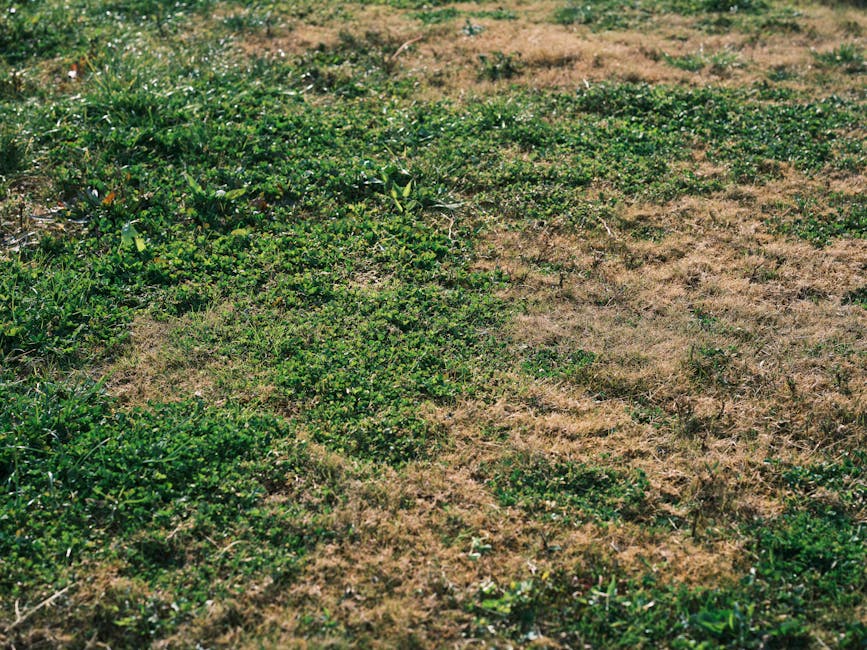
If your lawn has come through a hot spell looking patchy, straw-coloured, and frankly a bit sorry for itself, you are not alone. A drought-damaged lawn can look dead on the surface while still having enough life below to recover well. The trick is not to panic, not to overwater, and not to rush straight into heavy repairs. A proper step by step lawn rescue plan gardeners use after drought starts with reading the grass, not fighting it.
In most cases, a lawn recovery is less about one dramatic fix and more about a sequence of small decisions done in the right order. That means checking whether the grass is dormant or genuinely dead, easing soil back into moisture, cutting gently, feeding at the right moment, and repairing thin areas without making them worse. It sounds simple. In practice, timing is everything.
This guide walks through the whole process in clear, practical steps, with the kind of detail gardeners actually use when trying to bring a tired lawn back to life after weeks of dry weather. No fluff, no magical thinking. Just a sensible rescue plan that gives the grass the best chance of bouncing back.
Practical summary: after drought, the best lawn recovery plan is usually: rehydrate slowly, avoid scalping, wait for signs of regrowth, then feed, overseed, and improve soil care. Rush it and you can set the lawn back. Work with the grass and you usually get better results.
Table of Contents
- Why Step by step lawn rescue plan gardeners use after drought Matters
- How Step by step lawn rescue plan gardeners use after drought Works
- Key Benefits and Practical Advantages
- Who This Is For and When It Makes Sense
- Step-by-Step Guidance
- Expert Tips for Better Results
- Common Mistakes to Avoid
- Tools, Resources and Recommendations
- Law, Compliance, Standards, or Best Practice
- Options, Methods, or Comparison Table
- Case Study or Real-World Example
- Practical Checklist
- Conclusion
- Frequently Asked Questions
Why Step by step lawn rescue plan gardeners use after drought Matters
Drought damage is sneaky. At first glance, the lawn often looks beyond saving: dry blades, brown patches, compacted soil, and areas that feel crisp underfoot. But a lot of grass species used in UK gardens can survive a period of drought by going dormant. Dormancy is basically the plant's survival mode. It looks alarming, but it is not always fatal.
That distinction matters because the wrong response can do more harm than the dry spell itself. If you keep mowing hard, flood the lawn, or start tearing into it with a rake too early, you can damage living crowns and roots that were waiting for the weather to improve. A careful rescue plan gives the lawn time to show what is actually alive.
It also matters because dry summers have a habit of revealing problems that were already there: poor soil structure, shallow roots, thin turf, heavy foot traffic, and thatch build-up. Drought does not create every issue, but it does expose them. In that sense, recovery is part repair and part reset. The lawn is telling you something. A bit dramatic, perhaps, but true.
For homeowners, landlords, and anyone trying to keep a garden looking decent without endlessly patching it, a step-by-step approach saves time and waste. It also stops people from spending money on the wrong fix. If you are weighing up whether to handle it yourself or bring in help for the wider garden, it can be useful to check general service information such as the company background, pricing and quotes, or how to get in touch if you want tailored advice.
How Step by step lawn rescue plan gardeners use after drought Works
The recovery process works because it follows the plant's natural sequence of recovery. First, the grass needs moisture back in the root zone. Then the plant needs protection from further stress. Only after that should you add fertiliser, overseed thin areas, or do more intensive renovation.
Here is the basic logic gardeners rely on:
- Rehydrate the soil slowly so water soaks down instead of running off.
- Reduce stress by keeping mowing high and traffic light.
- Check for life before deciding whether to reseed or replace sections.
- Feed gently once new growth begins, rather than forcing weak grass to work too hard.
- Repair thin patches after the lawn has stabilised.
That order matters because drought-stressed grass is vulnerable. It is a bit like someone coming out of a long fever: you do not hand them a heavy meal and ask them to run upstairs. You start gently, and you keep an eye on how they respond. Same idea here.
Different lawns recover at different speeds. Clay soils hold water differently from sandy ones. Shaded lawns dry out more slowly but can be thinner. Fine turf in a front garden behaves differently from a busy family lawn with a football goal on it. The rescue plan is the same in principle, but the timing and intensity vary a little.
Key Benefits and Practical Advantages
Using a structured drought recovery plan gives you more than a prettier lawn. It helps the whole garden settle back into balance.
- Better survival rate: living grass has a fair chance to recover if you handle it carefully.
- Less waste: you avoid ripping out turf that still has life in it.
- Lower repair costs: small corrections now can prevent bigger renovation later.
- Stronger roots: the right recovery routine encourages deeper rooting over time.
- Improved resilience: the lawn becomes better prepared for the next dry spell.
There is also a visual benefit that people sometimes overlook. A rescued lawn tends to recover more evenly when it is given proper sequencing. If you scatter seed into hard, dry soil and hope for the best, results can be patchy. If you restore moisture, lift the grass gently, then overseed at the right moment, the finish usually looks much more natural.
And let's face it, a lawn that springs back properly makes the whole garden feel less tired. The borders look sharper. The patio looks cleaner. Even the side return feels less bleak on a grey morning. It's a small thing, but it changes the whole mood.
Who This Is For and When It Makes Sense
This kind of lawn rescue plan is for anyone who has a grassed area showing drought stress after a prolonged dry period. That includes family gardens, rented properties, newly laid lawns, older established turf, and mixed-use spaces that get a lot of wear in summer.
It makes the most sense when the grass is brown but the crowns and roots are still alive. If you tug gently at a patch and the roots resist, that is often a positive sign. If you scratch a few blades and find green at the base, even better. Brown on top does not always mean dead underneath.
It is especially useful if:
- the lawn has gone straw-coloured after hot weather
- there are dry patches near edges, paths, or sunny spots
- the soil has become hard and water-resistant
- you want to avoid full turf replacement
- you are planning autumn renovation after summer stress
If the lawn has suffered severe scorch, repeated drought, or long-term neglect, you may need partial reseeding or full renovation. Still, the rescue plan remains the right starting point. Truth be told, even poor lawns often benefit from a proper assessment before anybody reaches for the biggest fix.
Step-by-Step Guidance
Step 1: Check whether the lawn is dormant or dead
Before doing anything else, inspect several areas of the lawn. Pull up a few blades gently. Look for colour at the base of the plant, not just on the tip. A lawn that looks brown from above may still be alive if the crown is intact.
Try a simple scratch test with your fingernail or a small trowel. If the tissue beneath is pale green or moist, that section may recover. If it is brittle and the roots are gone, you are probably looking at dead turf and will need to reseed or returf that area later.
Be honest with yourself here. Gardeners do not rescue every patch. Sometimes a section has had it. That's fine. The trick is not to assume the whole lawn is beyond saving just because the surface looks rough on a hot afternoon.
Step 2: Rehydrate the soil slowly and deeply
Once you know the lawn has living material, begin restoring moisture carefully. The aim is not to drench the surface in one go. You want water to soak into the root zone.
Water in the early morning or late evening when evaporation is lower. Apply water steadily so the soil absorbs it. On compacted ground, a slow soak often works better than a quick blast. If water starts running off, stop and let it absorb before continuing.
A useful detail that people often miss: very dry soil can become slightly water-repellent. In other words, it may shed water at first. If that happens, multiple lighter sessions over a few days are usually better than one heavy soak. It is a bit boring, but it works.
Step 3: Keep foot traffic off stressed areas
Dry, weakened grass bruises easily. Root zones under drought stress need a break from trampling, dogs skidding around corners, and children charging across the middle of it. If you can, create a temporary path around the worst patches.
This step matters more than many people think. Freshly rehydrated grass can be vulnerable before it has properly recovered. If the lawn is your main route to the washing line or bin area, try to use stepping stones or rotate where you walk for a couple of weeks.
Step 4: Mow high, not low
Do not scalp a drought-affected lawn. Keep the mower blades high and only trim once new growth is visible and the grass is actively recovering. Cutting too short removes the plant's limited energy reserves and exposes the soil to more heat and moisture loss.
When mowing resumes, use sharp blades and remove no more than a third of the blade height at a time. If the grass is still thin, a higher cut helps shade the soil and protect new shoots. It also makes the lawn look better quicker, which everyone secretly wants.
Step 5: Wait for signs of recovery before feeding heavily
A drought-stressed lawn should not be hit with a strong feed too early. Once you see fresh green growth, you can introduce a light, balanced lawn fertiliser or recovery feed. This supports regrowth without forcing a weak lawn to do too much at once.
If you are unsure, err on the gentle side. Overfeeding can cause soft, weak growth that needs even more water later. The goal is steady recovery, not an overexcited flush of growth that burns out by the weekend.
Step 6: Rake out dead material lightly
When the lawn begins to perk up, gently rake out loose dead grass and debris. This improves airflow and lets light reach the soil. It also helps you see where gaps really are.
Use a light hand. Aggressive raking on a stressed lawn can rip out living crowns and make recovery patchy. A spring-tine rake or even a careful hand rake is usually enough for the first pass.
Step 7: Overseed thin areas
Once the lawn is rehydrated and stable, overseed sparse patches with a suitable grass seed mix. Work the seed into the surface lightly and keep it moist while it germinates. Do not bury it too deep.
Overseeding works best when the soil is still warm and the lawn has enough moisture to support germination. In many UK gardens, late summer into early autumn is often a good repair window because temperatures are milder and rainfall can help. That said, weather changes quickly, so always judge the local conditions rather than the calendar alone.
Step 8: Top-dress if needed
A thin top-dressing of quality lawn soil or sand-soil mix can help even out minor dips and improve seed contact. It is especially useful where drought has exposed shallow roots or compacted patches.
Keep it light. A heavy dressing can smother the grass. The purpose is to support recovery, not bury the lawn in a surprise blanket of soil.
Step 9: Improve soil structure
If the lawn keeps drying out every summer, there may be a deeper soil problem. Compaction, poor drainage, or a very shallow top layer of soil can stop water reaching roots properly. Aeration helps here.
For smaller gardens, simple hollow-tine or spiking methods may help if done at the right time. For more serious issues, a more complete renovation plan may be sensible. You do not need to solve every soil problem in one weekend, but you should keep the underlying cause in view.
Step 10: Set a gentler watering routine for recovery
After the initial rescue phase, shift to a less frequent but deeper watering pattern if rainfall is not doing the job. Shallow, daily sprinkling encourages shallow roots. Deep, less frequent watering generally helps roots grow downwards.
There is a balance here, and it depends on your soil and the weather. But in general, a lawn that has survived drought benefits from being trained to search for water a bit deeper. Tough love, but the helpful kind.
Expert Tips for Better Results
Small choices make a big difference in lawn recovery. Here are the things gardeners tend to watch closely.
- Test soil moisture below the surface: the top can look dry while the root zone still has enough moisture, or vice versa.
- Use sharp mower blades: blunt blades tear stressed grass and slow recovery.
- Watch for fungal issues: prolonged stress can leave the lawn open to disease, especially if watering is inconsistent.
- Do not chase colour too early: a temporary pale look is not always a reason to overfeed.
- Match seed to use: family lawns, ornamental lawns, and shaded areas often need different mixes.
One practical observation from the field: the lawns that recover best are usually the ones that are left alone a little at the start. People want to help, which is understandable, but repeated tinkering can slow everything down. Sometimes the smartest move is to water, step back, and wait a few days. That part is annoyingly simple.
If you need broader garden support while the lawn recovers, it can be worth reviewing company information such as health and safety standards, insurance and safety information, or recycling and sustainability practices so you know what to expect from a professional service. Trust matters, especially when work is being carried out on your property.
Common Mistakes to Avoid
Drought recovery often goes wrong for predictable reasons. Most of them are fixable, which is the good news.
- Overwatering immediately: flooding a baked lawn can cause runoff, waste water, and weak roots.
- Mowing too short: this strips away the grass's natural protection.
- Feeding before recovery starts: the lawn may not be ready to use the nutrients properly.
- Dragging equipment across dry turf: that can tear up fragile areas.
- Raking too hard: useful once the lawn is active, damaging when it is still stressed.
- Assuming brown means dead: plenty of lawns are just dormant.
Another common mistake is ignoring the lawn's edges. The most drought-struck spots are often along walls, fences, paving, and south-facing borders where reflected heat is strongest. Those areas may need a little extra water and a bit more patience. Funny how the corner you forget is always the one that sulks the longest.
Tools, Resources and Recommendations
You do not need a van full of equipment to rescue a lawn after drought, but the right basic tools help a lot.
| Tool or item | What it helps with | Why it matters |
|---|---|---|
| Garden hose or watering can | Slow rehydration | Lets water soak in gradually instead of running off |
| Sharp mower | Gentle cutting | Prevents tearing drought-stressed blades |
| Spring-tine rake | Removing loose dead matter | Improves airflow without heavy damage |
| Seed spreader or hand sowing | Overseeding thin patches | Helps distribute seed more evenly |
| Fork or aerator | Loosening compacted soil | Improves water movement and rooting |
| Light top-dressing mix | Seed contact and levelling | Supports patch recovery and surface quality |
For homeowners comparing professional support, practical next-step pages like pricing and quotes and contact options can help if the lawn is only one part of a wider garden refresh. That said, if you are happy doing the rescue yourself, the job is very manageable with patience and a decent weather window.
Law, Compliance, Standards, or Best Practice
There is usually no special legal process for restoring a private lawn after drought, but best practice still matters. If you are hiring someone to carry out garden work, reasonable expectations around safety, insurance, and clear terms are sensible. That is true for any property work, not just lawns.
In the UK, garden maintenance work should be carried out carefully and responsibly, especially where tools, lifting, or machinery are involved. If a contractor is doing the work, it is fair to expect clear communication about safety and property protection. You may also want to check a provider's terms and conditions and privacy policy if you are sharing details online or requesting a quote.
There is also a sustainability angle. Recovery work often involves better watering, less waste, and smarter renovation rather than full replacement. That aligns well with sensible garden stewardship. Not every lawn needs to be stripped and started again. Sometimes the greener choice, in every sense, is to repair what is already there.
Options, Methods, or Comparison Table
Not every drought-damaged lawn needs the same solution. Here is a straightforward comparison of the main recovery options.
| Method | Best for | Pros | Watch out for |
|---|---|---|---|
| Rest and rehydrate | Mostly dormant lawns | Cheap, simple, preserves existing turf | Needs patience and consistent moisture |
| Overseeding | Thin patches and light damage | Improves density and recovery | Seed needs moisture and good soil contact |
| Top-dressing | Uneven surfaces and patch repair | Helps level and support seed | Can smother grass if applied too heavily |
| Aeration | Compacted or hard soil | Improves water infiltration | Best done at the right season and soil condition |
| Partial returfing | Clearly dead sections | Fast visual repair | More costly and disruptive |
| Full renovation | Severely failed lawns | Complete reset | Highest effort and cost |
If you are unsure which route is right, start with recovery rather than replacement. A lot of lawns need less intervention than they first appear to. The lawn may look terrible one week and surprisingly recoverable the next. It happens more often than people think.
Case Study or Real-World Example
Picture a modest suburban garden in a south-facing spot. After several dry weeks, the lawn looks pale, patchy, and dry underfoot. The owner assumes it is gone and nearly orders fresh turf. Instead, they test a few sections first.
The result is mixed. A couple of border patches are genuinely dead, but the centre still has firm roots and green near the crown. So they hold off on major work. Watering begins slowly over several mornings. Mowing is paused. Foot traffic is reduced. A few days later, fresh green shoots appear in the better sections.
At that point, the owner lightly rakes away dead debris, adds a gentle feed, and overseeds the thinnest strips. By the following month, the lawn is not perfect, but it is clearly recovering. The key wasn't one miracle product. It was timing, restraint, and not panicking.
That is the real lesson. A lawn rescue after drought is often about reading the plant correctly. If you get that part right, the rest becomes much easier.
Practical Checklist
Use this checklist to keep the recovery process on track.
- Check whether the grass is dormant or dead
- Water slowly and deeply rather than all at once
- Keep people, pets, and equipment off fragile areas
- Wait for visible regrowth before feeding heavily
- Mow high and keep blades sharp
- Lightly rake only loose dead material
- Overseed thin spots once the lawn is stable
- Top-dress lightly if the surface needs improvement
- Aerate compacted areas when appropriate
- Adjust your watering pattern for the long term
Quick reminder: if the lawn is still changing from brown to green, do not rush the next step. Recovery is usually messy for a bit. That is normal.
Conclusion
A drought-hit lawn can be unsettling to look at, especially when you have put time and money into the garden. But in many cases, it is not a disaster. It is a recovery job. The best step by step lawn rescue plan gardeners use after drought is calm, ordered, and patient: assess first, rehydrate gently, protect the turf, then repair and strengthen it once new growth appears.
The lawns that do best are usually the ones given a fair chance. They are not bullied back into shape. They are supported, watched, and allowed to recover on their own terms. That's the bit people often forget.
If you want help planning the next stage of your garden recovery, or simply want clear guidance on the best approach for your space, take the next step with confidence. A lawn can surprise you. Honestly, they often do.
Get a free quote today and see how much you can save.
Frequently Asked Questions
How do I know if my lawn is dead after drought?
Look beneath the surface before assuming the worst. If the roots are still firm and you can find green near the base of the plant, the lawn may be dormant rather than dead. If the grass is brittle, lifts easily, and shows no sign of green tissue, some areas may need reseeding or replacement.
Should I water a drought-damaged lawn every day?
Usually not. Daily light watering can encourage shallow roots and runoff. A slow, deeper watering routine is normally better during recovery because it helps moisture reach the root zone. The exact frequency depends on weather, soil type, and how badly the lawn has dried out.
When should I mow after drought?
Wait until the grass is showing active recovery and has enough length to handle a cut. When you do mow, keep the blades high and remove only a small amount at a time. Cutting too short too soon is one of the easiest ways to set the lawn back.
Can I fertilise a lawn straight after drought?
It is usually better to wait until you see fresh growth. A stressed lawn often cannot use heavy feeding properly. A light, balanced feed after recovery starts is generally safer than pushing the plant too hard straight away.
Is overseeding worth it after drought?
Yes, if the lawn has thin patches or bare areas. Overseeding helps rebuild density, but only if the soil is prepared and kept moist enough for germination. Seed thrown onto hard, dry ground rarely performs well.
How long does drought lawn recovery take?
It varies. Some lawns show improvement within days once watered properly, while thin patches may take weeks to settle in. Full recovery can take longer if the soil is compacted or if the damage was severe. Patience matters, annoyingly so sometimes.
Should I rake out the brown grass?
Only lightly, and only once the lawn has started to recover. A gentle rake can remove loose dead material and improve airflow. Heavy raking too early can pull out living grass and make the damage worse.
What is the best time of year to repair drought damage?
In many UK gardens, late summer into early autumn is a good time because temperatures are often milder and moisture levels improve. That said, the best moment is when the lawn is actively recovering and conditions are suitable for seed or renovation work.
Do I need to replace the whole lawn if it went brown?
Not necessarily. Brown colour alone does not mean the turf is lost. Many lawns recover once conditions improve. Full replacement is usually only needed when large areas are genuinely dead or the lawn has deeper structural problems.
What can I do to stop this happening again?
Focus on deeper roots, better soil structure, and a more resilient mowing and watering routine. Aeration, occasional overseeding, and less frequent but deeper watering can all help. A lawn that is supported properly tends to handle dry spells better next time.
Is it better to fix a drought lawn myself or hire a gardener?
It depends on the scale of the damage and how much time you have. Small-to-moderate recovery jobs are often manageable yourself. If the lawn is large, badly compacted, or part of a broader garden project, a professional may save time and reduce trial and error.
Can I use the same rescue plan on a newly laid lawn?
Mostly yes, but newly laid turf is more delicate and usually needs closer attention to moisture. It can dry out faster and may be more easily damaged by foot traffic. Handle it gently and monitor it more frequently than an established lawn.
Sometimes a lawn just needs a bit of patience and the right sequence, nothing fancy. Give it that, and it often gives back more than you expect.